A zip screen is made to measure: measuring and model choice, cutting and RAL coating the aluminium, sewing zips to the fabric, motorised roller, limit setting and three-part installation. Steps in a table.
Short answer
A zip screen is made to measure: the opening is measured and the model chosen, aluminium profiles are cut and powder-coated, the technical fabric is cut and a zip strip is sewn along both edges, the fabric is wound onto a motorised roller and the upper and lower limits are set. The screen is shipped as three main parts (top motor box and two side rails) and installed quickly.
Production steps
| Step | What happens |
|---|---|
| 1. Measuring | Customers who are confident can measure themselves; otherwise SkyArt measures. |
| 2. Model | Vertical zip on the façade or a roof zip screen (Sky Zip) under a roof. |
| 3. Profiles | Top box, side rails and bottom bar cut from aluminium; coated in any RAL colour, wood effect on request. |
| 4. Fabric | Screen fabric for vertical screens, Serge Ferrari for roof screens. The fabric is cut and a zip strip sewn to both edges. |
| 5. Printing (optional) | Logos or text can be printed on the fabric at extra cost. |
| 6. Motor | The fabric is wound onto a motorised roller. We recommend motorised; manual versions are harder to make and cause more problems. |
| 7. Limits | Upper and lower stop points are set before shipping. |
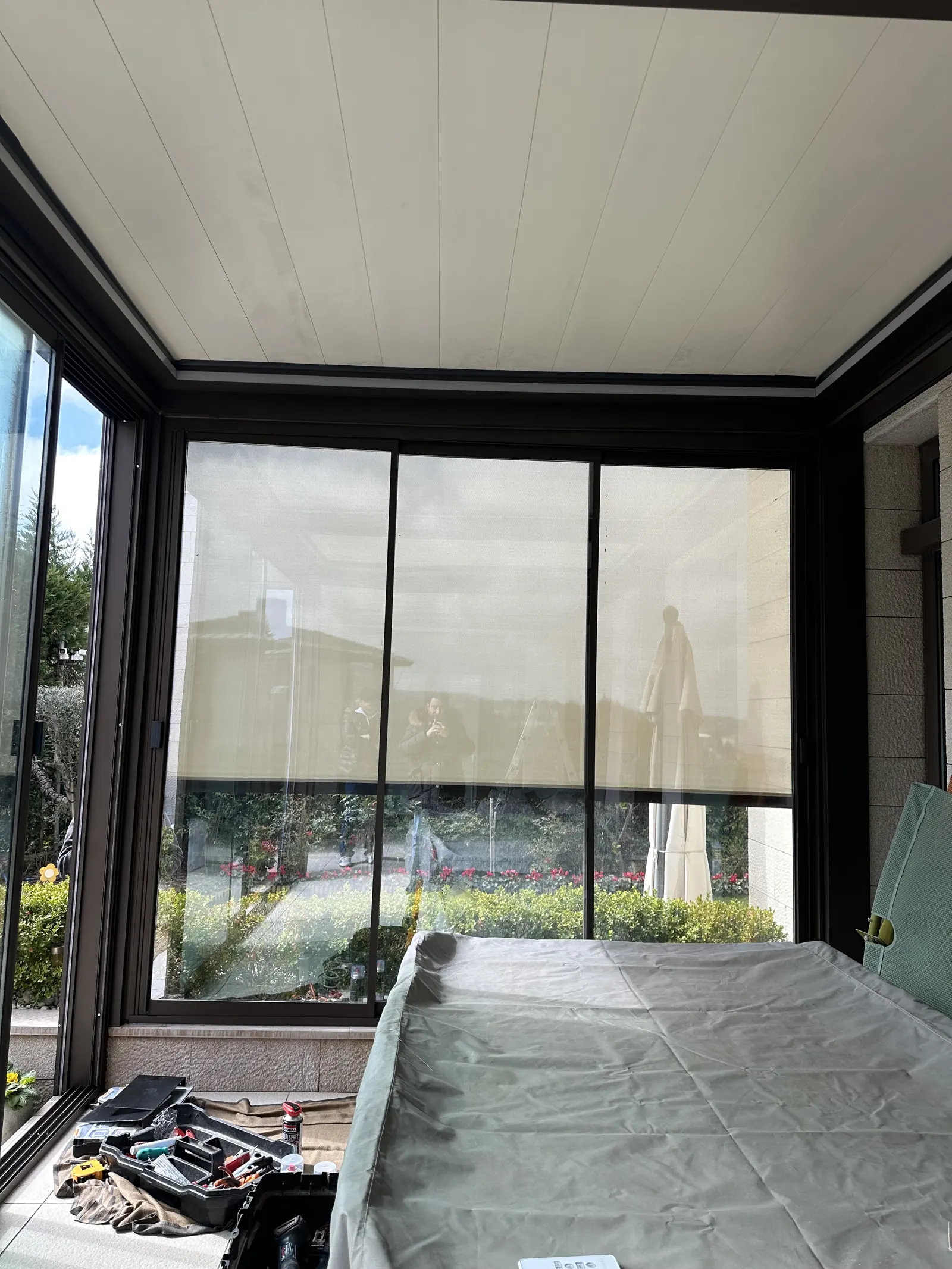
| 8. Shipping and installation | The three parts are joined on the ground, lifted and screwed in through the top box. |
Why made to measure?
What makes a zip screen wind-resistant is that the zip on both fabric edges stays locked in the channel inside each side rail. The fabric width and the rail spacing must match exactly, so every opening gets its own screen. The largest single screen is 4500 × 3000 mm (width × height); wider façades are split into several screens.
Can I make a zip screen myself?
Production (zip sewing, roller, motor and limit setting) is workshop work. Installation is simple: SkyArt also ships the made-to-measure motorised kit unassembled and anyone can install it. See zip screen kit and how to install a zip screen. Pairing the remote is done by service or with remote phone support.
Which surfaces can it be fixed to?
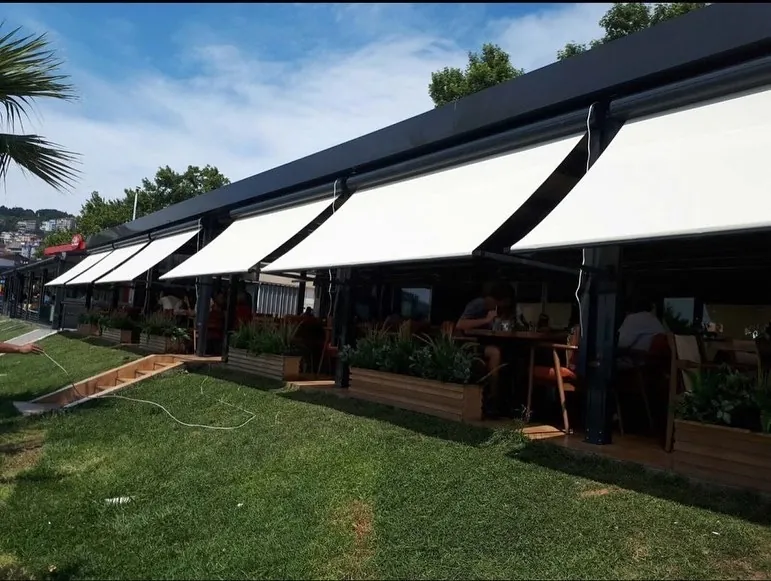
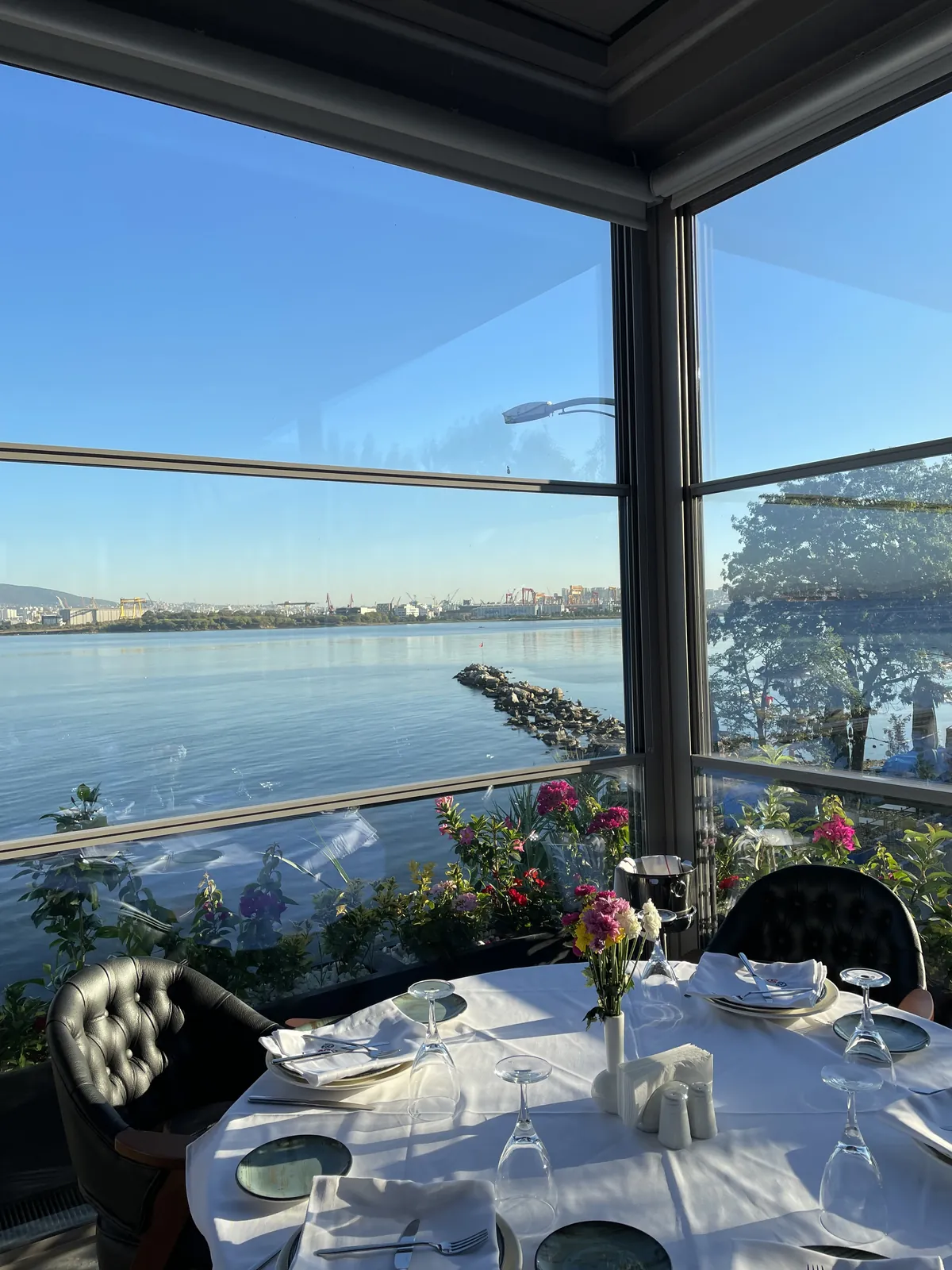
Any solid surface that holds screws, including concrete, plasterboard and aluminium. Most common uses are the sides of a bioclimatic pergola or winter garden, balconies, terraces and restaurant fronts.
For fabrics and colours read zip screen materials and colours; for the motor choice see motorised or manual? For a quote on a zip screen for your opening, request a free site visit.