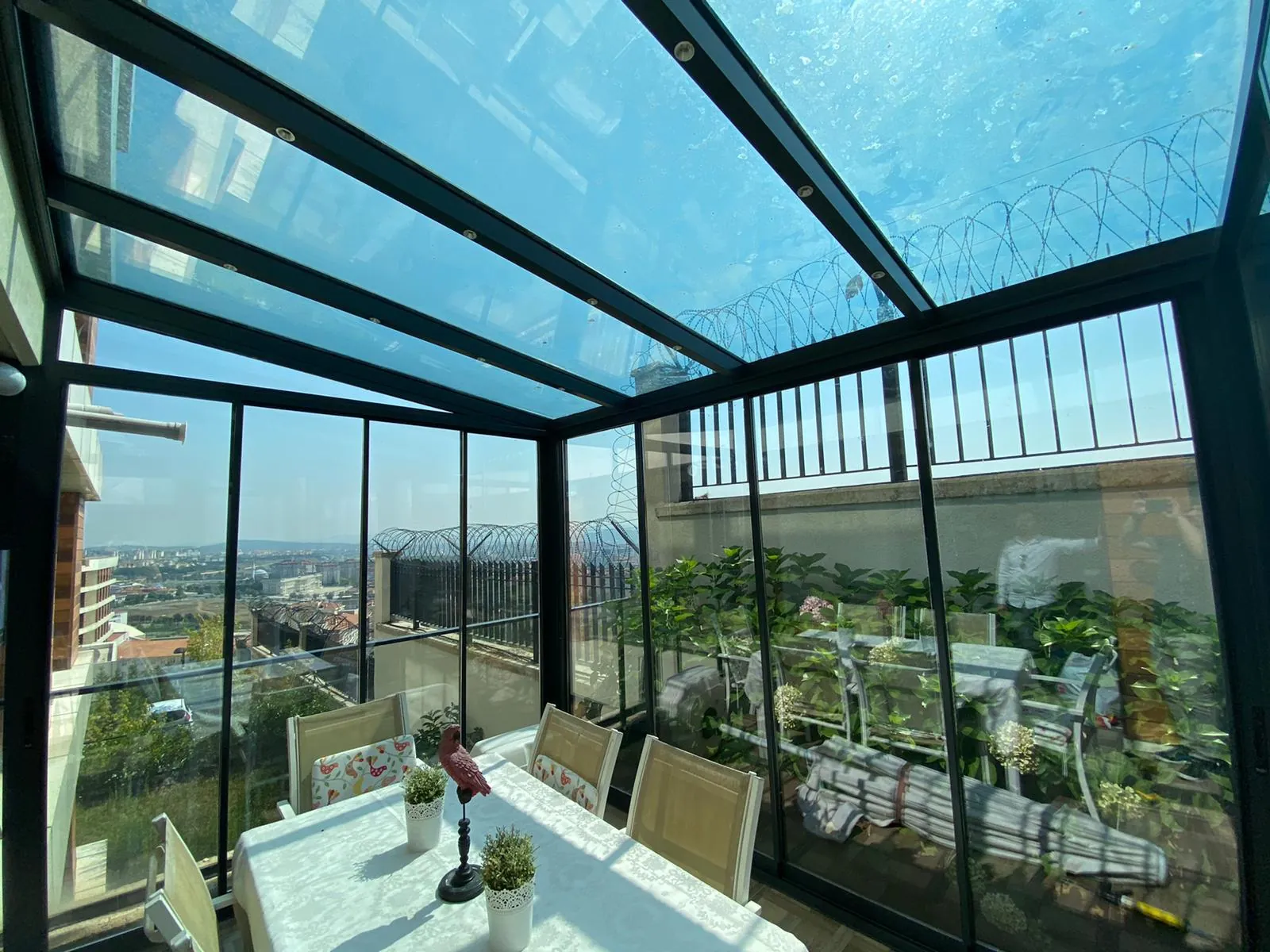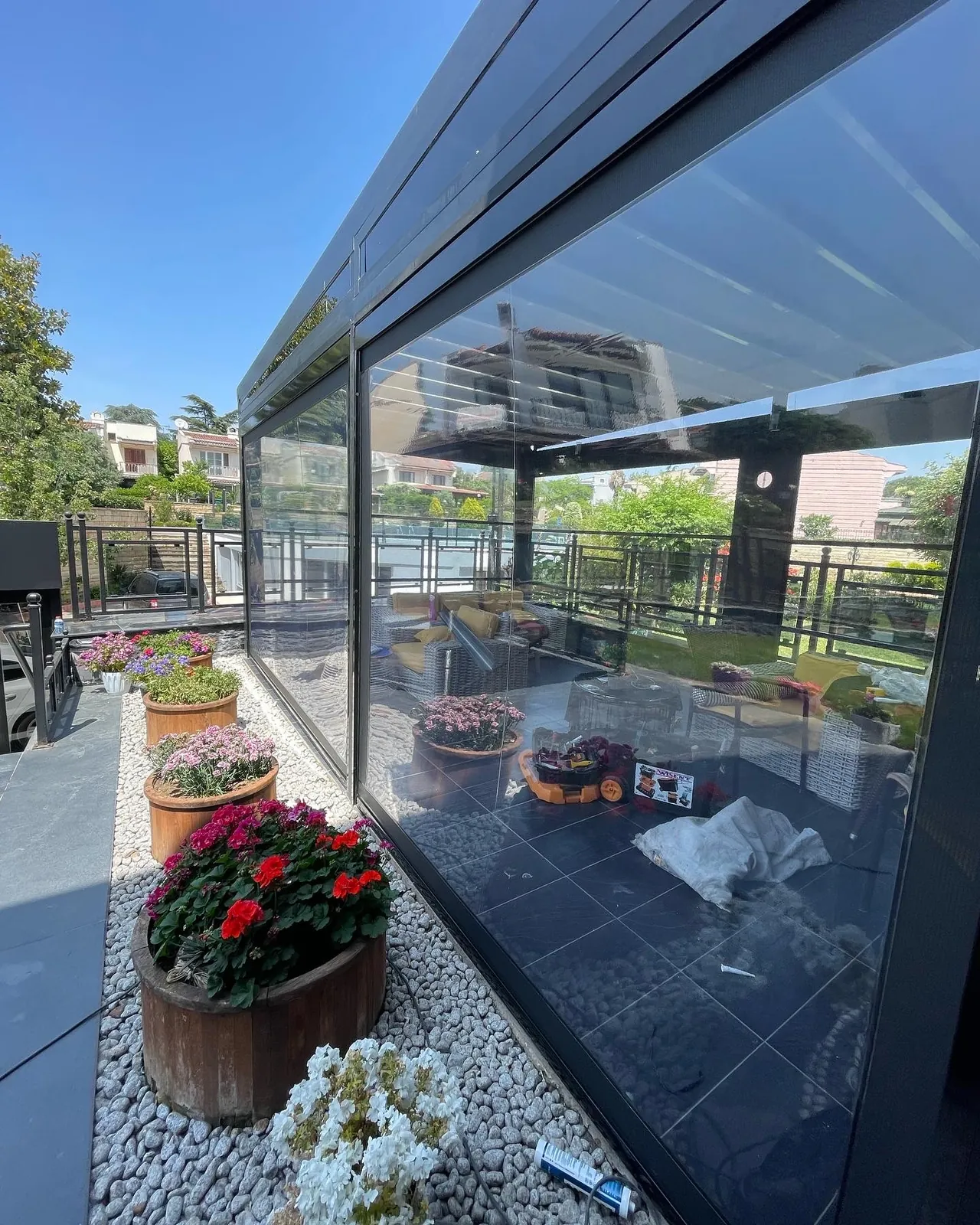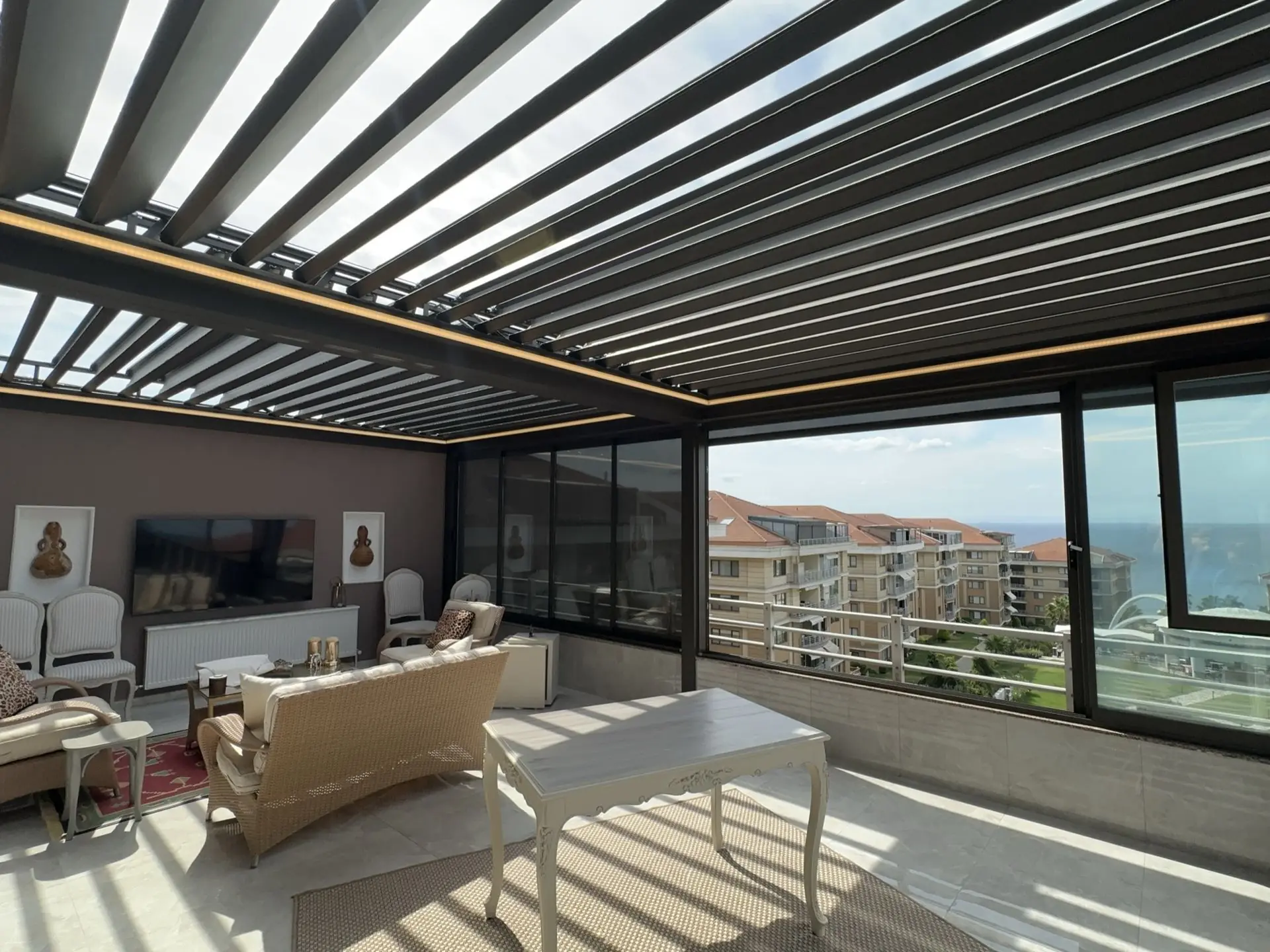
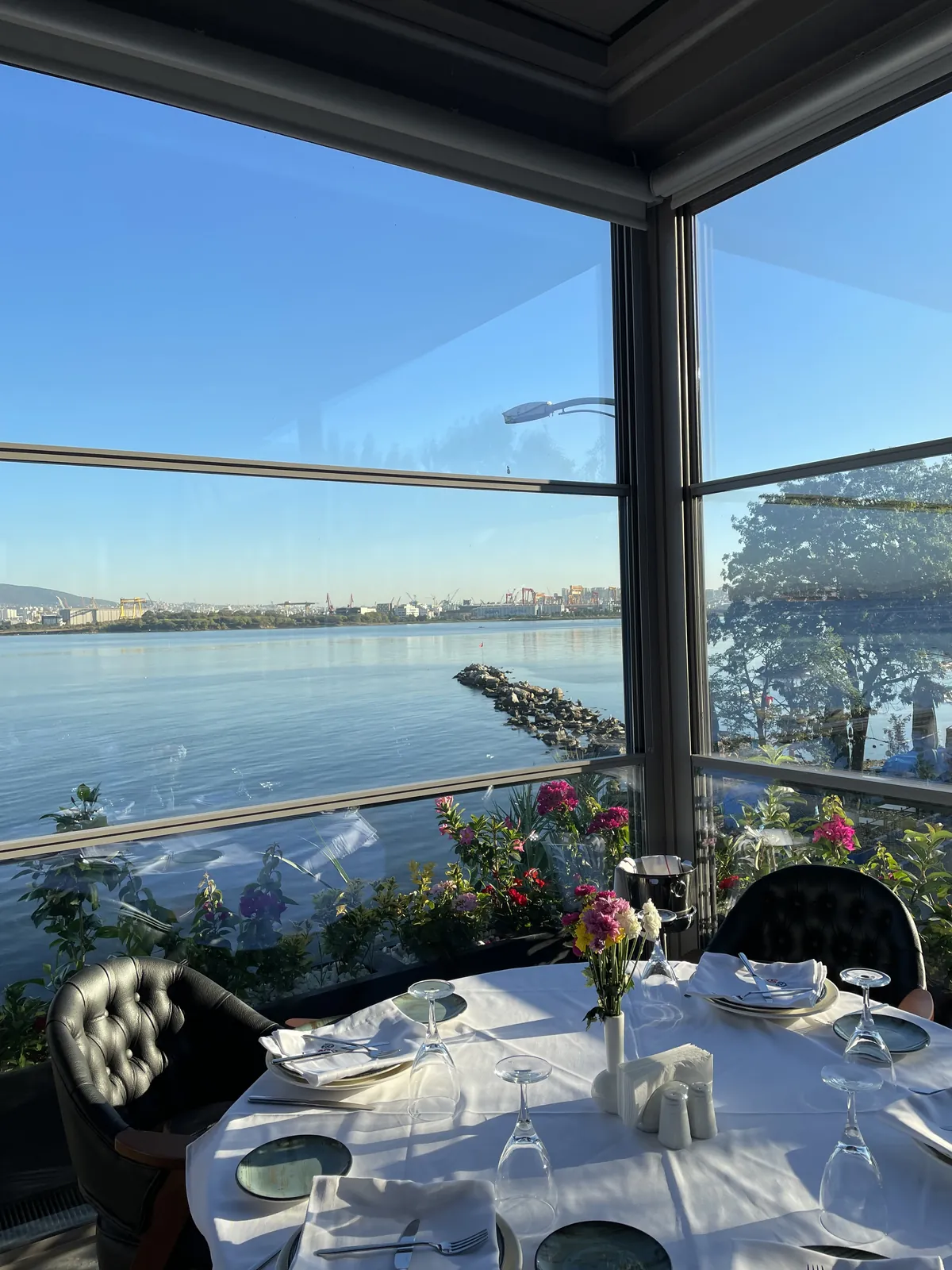
Guillotine glass is made to measure: survey and module plan, profile cutting and finish, tempered or double glazing, belt or chain, bearings, motor and installation. Steps in a table.
Short answer
Guillotine glass is made to measure: the opening is measured on site and the number of panes (2 or 3) and the glass type are chosen; the aluminium profiles are then cut and painted in a RAL colour or a wood-effect finish, the tempered glass or double glazing is prepared to size, and the belt or chain, bearings, brush seals and motor are fitted. The system is installed on site; one guillotine unit takes about 2–3 hours to install. As an authorised Albert Genau manufacturing dealer, SkyArt runs every step from survey to service with one team.
Manufacturing steps
| Step | What happens |
|---|---|
| 1. Survey and measuring | The balcony or façade is measured on site, checking how level the floor, ceiling and side walls are. A written quote follows the same or the next day. |
| 2. Module plan | The recommended maximum for reliable operation is 4000 mm wide × 3000 mm high; wider openings are split into several modules. |
| 3. Profiles | Aluminium profiles (2 mm wall thickness) are cut to size and finished in RAL paint or wood effect. |
| 4. Glass | 8–10 mm tempered glass or 4+12+4 double glazing; 2 or 3 panes. |
| 5. Moving parts | A rope-reinforced belt (3 × 25 mm) or chain that lifts the panes, 8 stainless bearings in the side channels and brush seals in the side casings. |
| 6. Motor and control | Somfy, Mosel, Becker, Cherubini or Cuppon motors; operated by wall button and/or remote. |
| 7. Installation and set-up | The system is fixed, wired, the remote is paired and the stop positions of the panes are set. |
What matters in production
- Tolerance: the panes run on bearings in the side rails, so any measuring error comes back as friction and noise. That is why we measure on site.
- Drainage: the bottom profile has drainage holes; rainwater is led out at the sides.
- Decide on the cleanable model early: the inward-tilting cleanable guillotine for high floors uses different profiles and hinges and cannot be added to an existing unit later.
- Easy repairs: jointed side rails allow work such as replacing a broken pane without dismantling the system.
Can you build it yourself?
A guillotine runs on a motor, a belt or chain and set limits; opening or dismantling it yourself voids the warranty. We recommend leaving installation and adjustment to the service team. See our articles on guillotine installation, glass thickness and the guillotine motor.
For a similar process see how a zip screen is made. To size and plan guillotine glass for your balcony, together with a zip screen if needed, book a free survey.