A winter garden is best heated with a dehumidifying air conditioner, underfloor heating or radiators added to the home's central heating. Which suits you depends on how often you use it and its size — but before any of these come insulated glass and floor insulation, which cut heat loss.
First, reduce heat loss
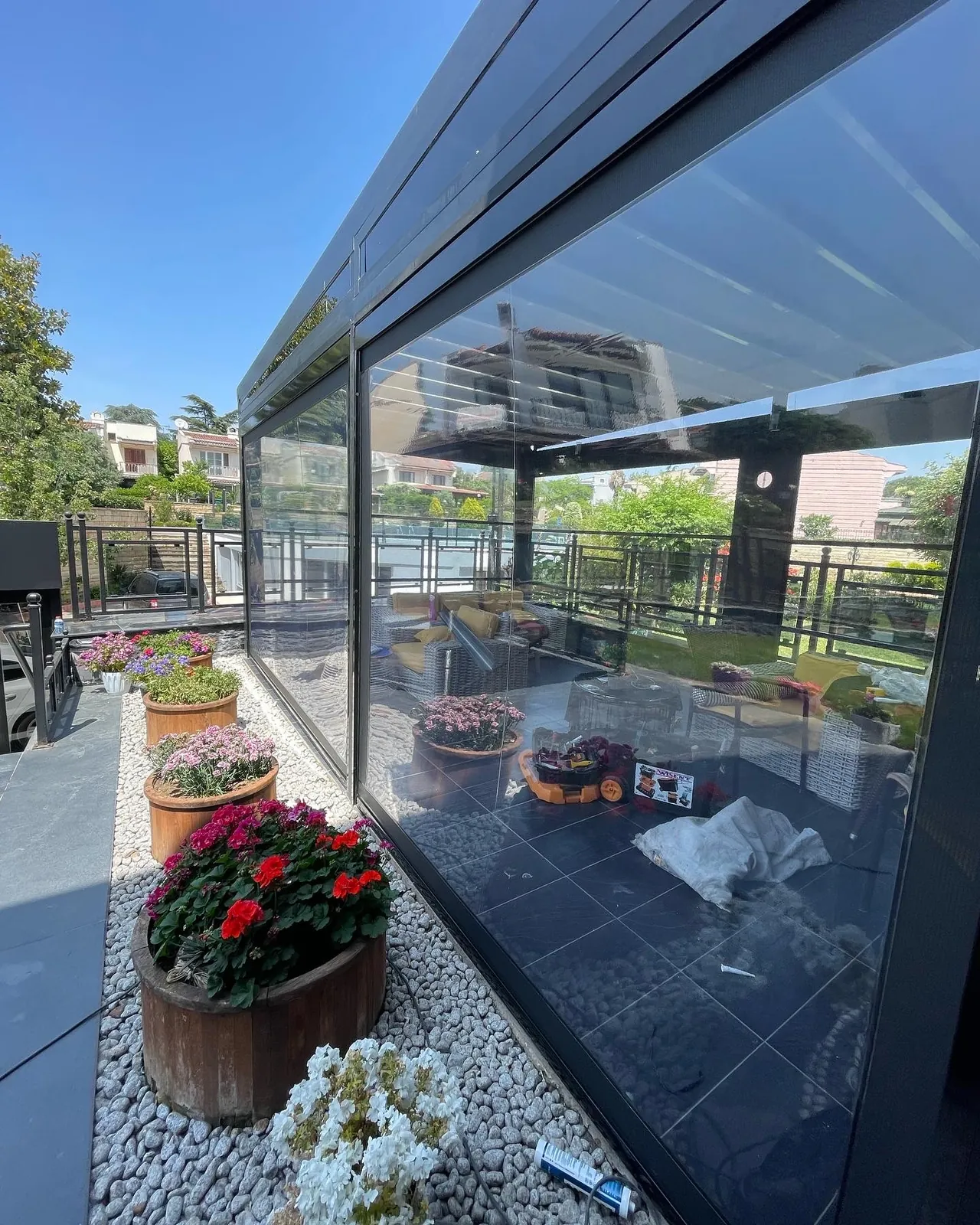
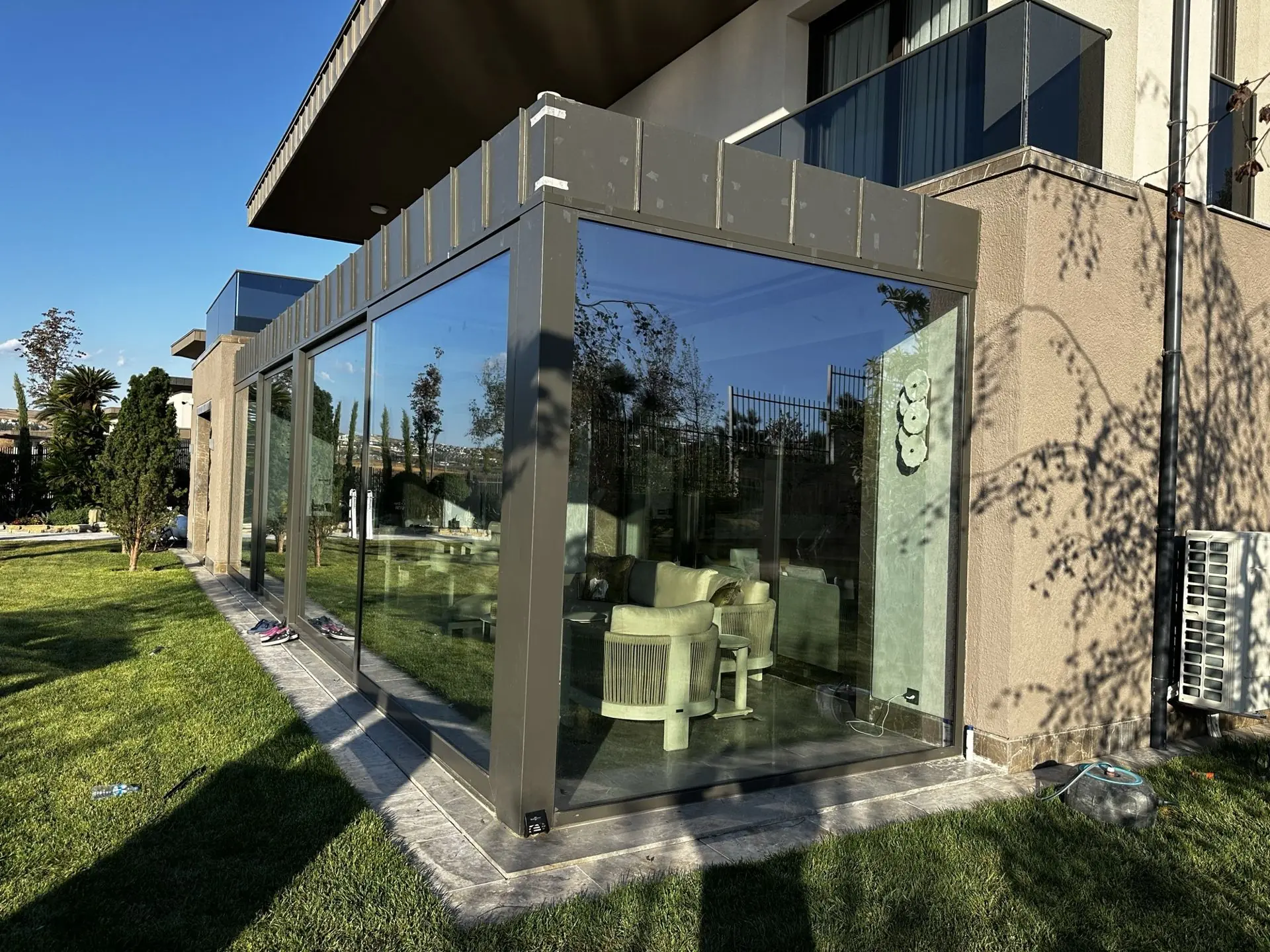
The most efficient heating starts with losing less heat. In a winter garden, argon-filled insulated glass in the roof, insulated guillotine or sliding glass on the sides and a well-insulated floor cut heating costs directly. A single-glazed winter garden is always more expensive to heat.
Heating options
| Method | How it heats | Best for |
|---|---|---|
| Underfloor heating | Even heat from the floor | Winter gardens used every day, new builds (plan before the floor is laid) |
| Air conditioning | Heats the air; cools in summer | Spaces used all year that also need cooling in summer |
| Radiators | Added to the home's existing central heating | Balcony and terrace winter gardens adjoining the house |
Which should you choose?
- Used every day like a living room: underfloor heating or radiators; air conditioning for summer cooling.
- Infrared heaters and stoves: we do not recommend them; they add humidity and increase condensation. Avoid devices that blow dry air too.
- Worried about summer heat too: air conditioning plus a Sky Zip screen under the roof and opening walls.
If the roof is a bioclimatic pergola: heat with dehumidification
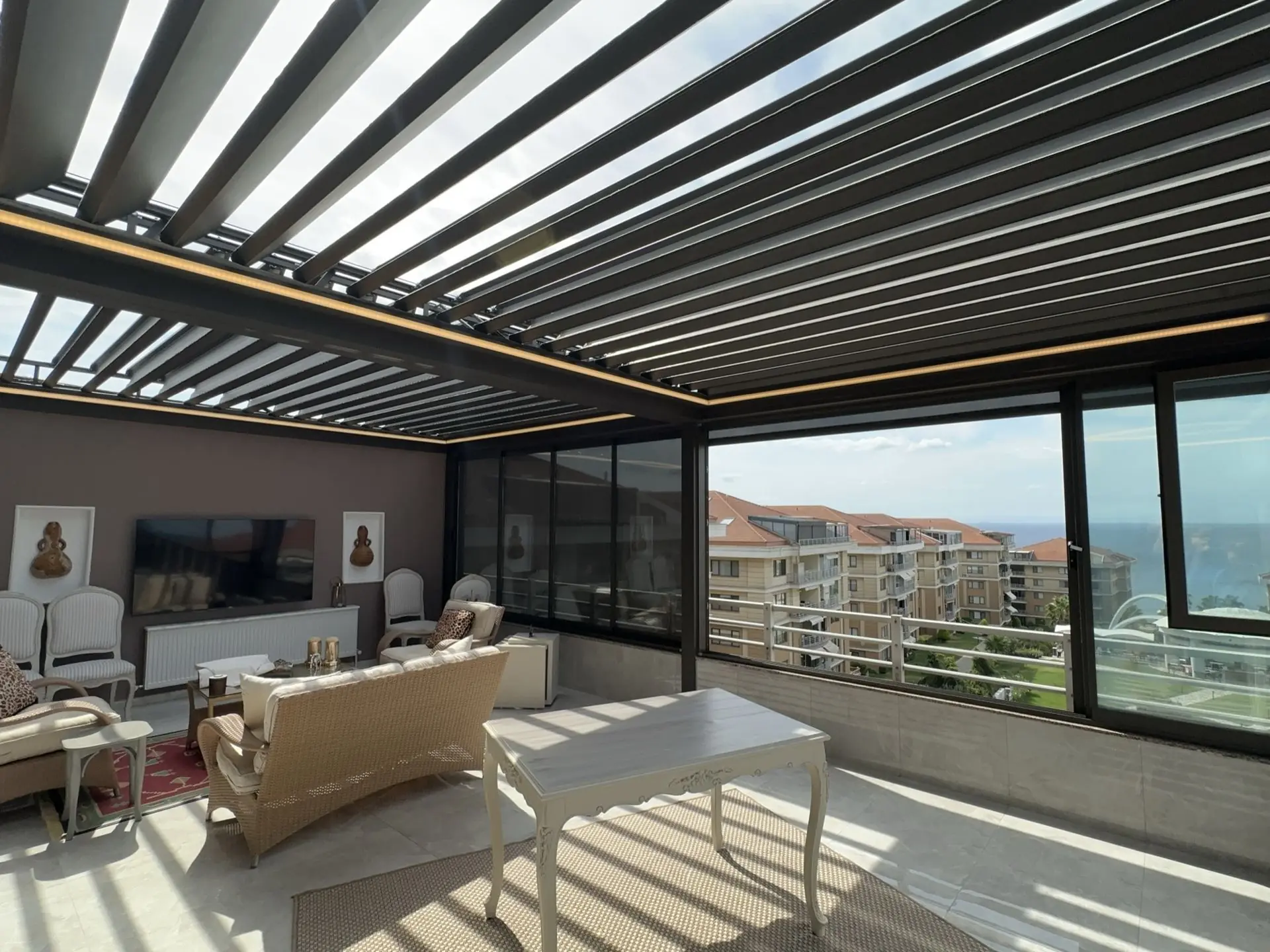
If the enclosed space has an aluminium-louvred bioclimatic pergola as its roof, heat it with a system that removes moisture: air conditioning, a fan coil or a dehumidifier. Otherwise condensation forms on the roof panels because of the warm-cold contact. Setting the louvres to about 5° in ventilation mode also prevents it. More in: condensation on bioclimatic pergolas.
Overheating in summer
Summer comfort matters as much as winter. Overhead shading, cross-ventilation and, if needed, an opening roof (bioclimatic pergola or retractable glass roof) strike that balance. More in: What to know before building a winter garden.